
Common causes
- Neck and upper-back problems
- Arthritis in the shoulder complex
- Abnormal movement patterns causing aberrant motion
- Athletic activity and automobile accidents
Conditions
The shoulder is the most mobile joint in the body, which is exactly why it’s vulnerable to such a wide range of injuries.
As the most mobile joint in the body, the shoulder faces a wide range of injuries and conditions. Because so many things can cause shoulder pain, the right treatment depends entirely on finding the right cause.
Some signs are worth a professional evaluation:
We use the clinical information from your history, advanced imaging, and orthopedic testing to determine what’s actually causing your pain. From there, the right treatment might include evaluating the spine and neck, a spinal adjustment, direct adjustments to the shoulder complex, and manual or passive therapies.
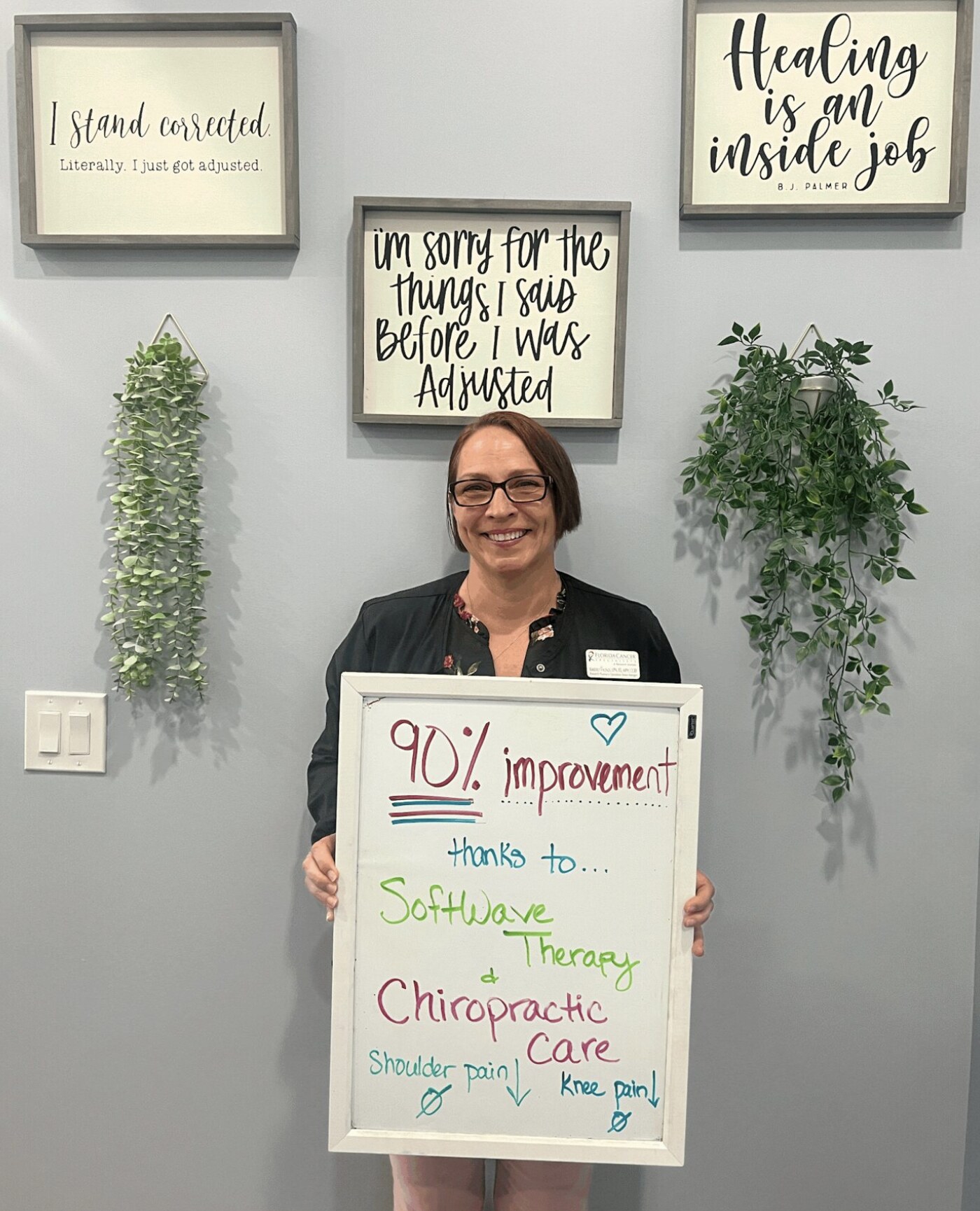
Patient Story

Part of the RESTORE Way
Once the cause is clear, healing the tissue is the goal. SoftWave therapy supports the regenerative pillar of the RESTORE Way for shoulder injuries like rotator-cuff strain and frozen shoulder.
Explore the 4 Pillars →Common Questions
We combine your history, advanced imaging, and orthopedic procedures to identify the cause , because the right treatment depends entirely on it.
Often, yes. Neck and upper-back problems are a common source of shoulder pain, which is why we evaluate the spine and neck as part of our assessment.
Start with a comprehensive new-patient evaluation. We’ll listen, assess your nervous system and structure, and build a plan to restore your health.